Top articlesSee all...

A Comprehensive Guide to Dog Exercise

How To Crate train An Older Dog - A Comprehensive Guide

How To Socialize A Dog - A Comprehensive Guide

Leash Training: A Guide to Training Your Dog to Walk on a Leash

Skijoring: A Guide to Skijoring with Dogs

The Best Dog Enrichment Toys

The Best United States Dog Parks

The Best Indoor Dog Parks in the United States

The Best Off-Leash Dog Parks in the United States
Top articles
A Comprehensive Guide to Dog Exercise
How To Crate train An Older Dog - A Comprehensive Guide
How To Socialize A Dog - A Comprehensive Guide
Leash Training: A Guide to Training Your Dog to Walk on a Leash
Skijoring: A Guide to Skijoring with Dogs
The Best Dog Enrichment Toys
The Best United States Dog Parks
The Best Indoor Dog Parks in the United States
The Best Off-Leash Dog Parks in the United States
See all...German Shepherd Guide: Best Family Dog? Truth from 9K Owners


The German Shepherd Dog (GSDs) are known for their intelligence, loyalty, and striking appearance. They're also incredibly versatile, excelling as working dogs and devoted family companions. This guide covers everything you need to know about GSDs, from understanding their unique traits and rich history to practical advice on training and care. So, whether you're a seasoned GSD owner or just starting your research, let's explore this remarkable breed together.
In this post, we share insights from 595 real Sniffspot users, offering practical advice for new and prospective owners. Whether you’re considering this popular AKC breed or already have one, you’ll find valuable tips on how to care for and enjoy life with a German Shepherd Dog.
Despite their sometimes aloof nature with strangers, their loyalty and courage make them exceptional pets and protectors. As one of the most recognizable breeds in the world, German Shepherds continue to captivate dog lovers everywhere, serving as both working dogs and beloved companion animals.
Understanding the GSD Breed
German Shepherds are known for their striking coat colors, which can range from classic black and tan to less common variations like solid black or white. Their heritage in German herding has contributed to their intelligence and work ethic, making them one of the most versatile and active breeds available today.
- Breed Type: Herding Group
- Size: Large
- Life Expectancy: 12 – 14 years
- Healthy Weight Range: 65 – 90 lbs (male), 50 – 70 lbs (female)
- Height Range: 22 – 26 in
- Temperament: Loyal, protective, intelligent
- Coat Type: Double coat
- Color: Black and tan, black and cream, black and red
It’s worth noting that while German Shepherds are not considered barkless breeds, they are generally not excessive barkers when properly trained and exercised.
Key Takeaways
- German Shepherds thrive with experienced owners who provide consistent training, early socialization, and a structured routine: This helps channel their intelligence and energy into positive behaviors, making them devoted companions.
- Be proactive about your GSD's health: While generally healthy, they are prone to joint problems, digestive issues, and skin allergies. Regular vet visits and a healthy lifestyle are key.
- A stimulating environment is essential for a happy GSD: Provide a safe space to play, like a fenced yard, and explore options like Sniffspot's private dog parks and water parks to meet their exercise and enrichment needs.
Getting to Know German Shepherd Dogs
According to 594 Sniffspot community users who shared real-world data about their German Shepherd Dog, we learned these dogs are alert, loyal, and protective. The German Shepherd Dog, a popular AKC breed, is very friendly and social with strangers and very friendly and social with children. With proper socialization and additional training, they can become affectionate family dogs, adapting well to various household dynamics.
When living with a German Shepherd Dog, 83.50% of our owners said a large house with a fenced yard is the best environment for their excess energy. Additionally, 36.70% of owners said a rural or suburban area with open spaces is also acceptable. This dog is highly trainable, learns commands quickly, and responds well to training. Owners say the German Shepherd Dog learns best with positive reinforcement (treats, praise, rewards), consistent daily training routines, and the use of training aids (e.g., harnesses, leashes, training collars). Most GSDs can master basic commands within a few weeks of consistent training.
When it comes to regular exercise, 51.01% of Sniffspot owners say their German Shepherd Dog benefits from moderate amounts of physical exercise, like regular walks and play sessions. This level of activity not only keeps them physically fit but also helps prevent weight loss issues that can arise from insufficient exercise.
The Sniffspot German Shepherd Dog community would not recommend this dog breed to first-time dog owners, as they require experienced handling and consistent training. However, with dedication and additional training, even novice owners can successfully raise these intelligent and loyal companion animals.
Key German Shepherd Traits and Characteristics
We compiled over 594 Sniffspot community submissions on their own German Shepherds to determine these dog traits and characteristics.
- Temperament: Alert, loyal, protective
- Energy Level: High to medium (1-2 hours of regular exercise recommended per day)
- Trainability: Highly trainable
- Shedding Level: Very high
- Good with Kids: Very friendly and social with children
- Good with Other Pets: Very friendly with other pets

The History of the German Shepherd
The German Shepherd Dog’s modern history began in late 19th-century Germany with Max von Stephanitz. Initially focused on agriculture, Max von Stephanitz’s admiration for local sheepdogs led him to create a formal breed.
In 1899, he purchased a dog named Hektor Linksrhein, whom he renamed Horand von Grafrath. This purchase was pivotal, leading to the establishment of the Verein für Deutsche Schäferhunde, the first German Shepherd Dog club, with Horand as the inaugural registered dog.
Von Stephanitz combined traits from various local sheepdogs to develop a versatile breed known for its intelligence and working ability. Despite challenges during World War I and subsequent renaming in other countries, the German Shepherd Dog’s reputation as a superior service and military dog endured. Today, German Shepherds are one of the most recognizable breeds globally, known for their distinctive appearance and versatile working abilities.
Life With a German Shepherd: What to Expect
As a German Shepherd Dog owner, it’s important to know the best dog breed tips as well as expectations from current owners. Understanding their needs as cold-weather breeds can help you provide the best care for your GSD.
[caption id="attachment_20567" align="alignnone" width="907"] Source: Sniffspot Community Survey[/caption]
German Shepherd Lifespan and Aging
Factors Influencing Lifespan
Size and Snout Shape
Several factors play a role in a dog's lifespan. Research suggests that smaller dogs with longer noses tend to live longer than medium-sized dogs with flatter faces. While German Shepherds are a larger breed, their snout shape is more elongated than brachycephalic (flat-faced) breeds like the English Bulldog, which may contribute positively to their overall lifespan. This is something to consider when choosing a breed, especially if longevity is a primary concern. For more insights on breed characteristics and lifespans, you can explore resources like this article on dog breed lifespans.
Purebred vs. Mixed Breed
Studies have also shown that purebred dogs, on average, live slightly longer than mixed breeds. As German Shepherds are a purebred, this statistically puts them in a slightly more advantageous position regarding lifespan. However, individual health and lifestyle factors always play a significant role, regardless of breed or mix. This research on dog lifespans offers further information on the differences between purebred and mixed breed longevity.
Understanding the Typical German Shepherd Lifespan
A German Shepherd's lifespan typically ranges from 9 to 13 years. This aligns with the average lifespan for dogs of their size. Providing your German Shepherd with proper nutrition, regular exercise, and consistent veterinary care can help them live a long, healthy, and fulfilling life. Remember, regular visits to the vet are crucial for preventative care and early detection of any potential health issues. This article on German Shepherds provides additional details on their characteristics and care. Finding safe and enriching places for your dog to exercise and socialize, like those offered on Sniffspot, can also contribute to their overall well-being.
Addressing Conflicting Information
You might encounter varying information regarding the average lifespan of dogs. Some sources state that dogs generally live between 10 and 13 years. It's important to remember that these are averages, and individual dogs may live shorter or longer lives depending on various factors, including genetics, diet, exercise, and overall health. For German Shepherds, the 9 to 13-year range is a good guideline, but don't be alarmed if your dog falls slightly outside of this range. Focus on providing the best possible care for your furry friend to ensure they enjoy a happy and healthy life, however long it may be. If you're a new German Shepherd owner, exploring resources like Sniffspot's articles on dog names and top dog trainers can offer valuable insights and support.
Grooming Needs | Moderate Maintenance
German Shepherds need regular grooming, like brushing and periodic baths. They have a medium-length double coat, including an outer coat that needs regular brushing and washing. They can be prone to shedding and loose hair. As cold-weather breeds, their thick coats help protect them from harsh conditions.
To keep their coat healthy and up to breed standards, include brushing in their daily routine as well as seasonal grooming with the help of a professional. Of the coat types for common breeds, the coat grooming for GSDs is relatively straightforward.
Exercise Needs | Moderate Exercise
German Shepherds require moderate to high activity each day. Though one of the most popular dog breeds, GSDs are an athletic breed and one of the most well-known high-energy breeds.
They need between 1 to 2 hours of physical exercise each day, like daily walks and active play sessions. Owners report their dogs especially love playing with a ball or frisbee, playing with squeaky toys, and tug-of-war. Remember mental exercise should be a part of GSDs’ regular exercise routine. Enrichment activities are crucial for this intelligent breed, helping to prevent common behavior issues that can arise from boredom.
When large, active breeds like this don’t get sufficient exercise, they’re more likely to act out on undesirable behaviors. They need consistent training, mental activity, and regular physical exercise to avoid the destruction that comes from excess energy.

German Shepherd Activity Level
Meeting Their Exercise Needs
Finding the Right Activities
German Shepherds are renowned for their high energy levels and need a significant amount of physical activity to thrive. According to research from the Sniffspot community, these dogs need between one to two hours of exercise each day. This can include daily walks, active play sessions, and engaging activities like playing fetch with a ball or frisbee, tug-of-war, and other interactive games. This level of activity keeps them physically fit and helps prevent weight gain, a common issue for dogs who don't get enough exercise.
Beyond physical exercise, mental stimulation is equally important for German Shepherds. This breed is highly intelligent, and without adequate mental exercise, they may develop behavioral issues stemming from boredom. Enrichment activities, such as puzzle toys or training sessions, are crucial for their overall well-being. Working with a qualified trainer can help you structure engaging training sessions that challenge your German Shepherd mentally and physically.
It's important to remember that when large, active breeds like German Shepherds don't receive sufficient exercise, they are more likely to exhibit undesirable behaviors. Consistent training, mental activity, and regular physical exercise are vital to prevent destructive behaviors that can arise from pent-up energy. Providing opportunities for your dog to socialize and play with other dogs at a safe, private dog park can also contribute to their physical and mental well-being.
If you're considering adding a German Shepherd to your family, create an environment that supports their exercise needs. A large house with a fenced yard is ideal, as reported by 83.50% of Sniffspot owners. However, access to open spaces, such as those found in rural or suburban areas, is also suitable for these energetic dogs, with 36.70% of Sniffspot owners finding this a good environment. Having access to different environments and activities will help ensure your German Shepherd gets the physical and mental stimulation they need to be a happy and well-adjusted companion.
Diet and Nutrition
Though it’s not uncommon for German Shepherds to struggle with sensitive stomachs and digestive issues, 61% of our community feed their dogs commercial dry kibble without issues.
With regular exercise, German Shepherds should eat upwards of 2 cups of kibble per day to maintain a healthy weight. Again, a healthy weight for a GSD is between 50 – 90 lbs, depending on your dog’s sex, activity level, and age.
Detailed Diet and Nutrition for German Shepherds
Recommended Daily Intake
With regular exercise, German Shepherds should eat upwards of 2 cups of kibble per day to maintain a healthy weight. Remember, a healthy weight for a GSD is between 50–90 lbs, depending on your dog’s sex, activity level, and age. Always check the feeding guidelines on your dog food packaging, as portion sizes can vary between brands and some dog foods have different recommendations.
Protein Requirements for Puppies and Adults
Protein is essential for a German Shepherd's growth and development. Puppies need around 29% protein in their diet, while adult German Shepherds require approximately 18%. High-quality dog food formulated for large breeds often provides the correct balance of protein and other essential nutrients.
Foods to Avoid and Why
Certain foods are toxic to dogs and should never be given to your German Shepherd. Some can cause mild discomfort, while others can lead to serious health problems. Always supervise your dog closely around food, and make sure human treats are out of reach. If you think your dog has ingested something toxic, contact your veterinarian or the ASPCA Animal Poison Control Center immediately.
Caffeine
Caffeine can lead to toxicity in dogs, causing symptoms like restlessness, rapid breathing, and heart palpitations. Keep coffee, tea, and energy drinks away from your GSD. Even small amounts of caffeinated products can be harmful.
Lactose
Many dogs are lactose intolerant, and dairy products like ice cream can cause digestive issues such as vomiting and diarrhea. While a small lick of ice cream might not cause harm, it's best to avoid dairy altogether. There are plenty of dog-friendly frozen treats available that won't upset your dog's stomach.
Theobromine
Chocolate contains theobromine, which is toxic to dogs. Even small amounts, especially of dark chocolate, can lead to serious health issues, including seizures and heart problems. Keep all types of chocolate safely away from your German Shepherd.
Alcohol
Alcohol can cause liver and brain damage in dogs, even in small amounts. Never allow your German Shepherd to consume alcoholic beverages. If you're enjoying an adult beverage, make sure it's kept well out of your dog's reach.
Xylitol
Xylitol, an artificial sweetener found in many sugar-free products like gum and candy, can lead to liver failure in dogs. Be mindful of what your dog may find on walks or around the house. Xylitol is extremely dangerous for dogs.
Onions
Onions, whether raw, cooked, or powdered, can destroy red blood cells in dogs, leading to anemia. Keep onions and onion-containing foods away from your GSD. Be careful when preparing food for your family to avoid accidental ingestion by your dog.
Avocado
Avocado contains persin, which can be toxic to dogs, causing vomiting and diarrhea. While the level of toxicity varies depending on the type of avocado, it's best to err on the side of caution and avoid feeding avocado to your German Shepherd. There are many other dog-friendly fruits and vegetables that make healthy treats.
Preventing Overfeeding
Avoid overfeeding your dog to try and make it bigger. This can lead to health problems like obesity, joint issues, and digestive problems. Stick to the recommended feeding guidelines for your dog's age and activity level, and consult with your veterinarian if you have any concerns about your German Shepherd's weight or diet. You can also find helpful resources and connect with other dog owners on platforms like Sniffspot, where you can discover dog parks and other dog-friendly locations.
Breed Health Concerns
The German Shepherd Dog breed is prone to joint problems and digestive issues. A reported 43% of our German Shepherd Dog owners reported joint problems like hip dysplasia of the hip joint, degenerative myelopathy, elbow dysplasia, or arthritis. Regular exercise and appropriate joint supplements can help with this, but it’s very likely GSDs will develop some mobility difficulties as they age.
Similarly, 40% reported digestive issues like bloating and sensitive stomach. Additionally, 37% of GSD owners claim their dog struggles with skin conditions like allergies and dermatitis — a common breed health concern. However, the most reported issues are related to joint troubles (arthritis, elbow dysplasia, etc).

Specific Health Concerns and Preventative Care for German Shepherds
Common Health Issues
German Shepherds are predisposed to certain health conditions. Being aware of these can help you take preventative measures and address any issues promptly. While joint problems and digestive issues are common, impacting 43% and 40% of GSDs respectively according to Sniffspot's research, other health concerns warrant attention. Skin allergies and dermatitis also affect a significant portion of the breed, with 37% of GSD owners reporting these issues in their dogs.
Degenerative Myelopathy
This progressive spinal cord disease leads to hind leg paralysis. While there’s no cure, physical therapy can improve your dog's quality of life and mobility. This often involves exercises to maintain muscle strength and range of motion.
Bloat/GDV (Gastric Dilation-Volvulus)
Bloat is a life-threatening emergency where the stomach twists, cutting off blood supply. A swollen belly, pain, restlessness, and unproductive retching (dry heaving) are key signs. Immediate veterinary attention is critical. Learn more about bloat and its prevention.
Exocrine Pancreatic Insufficiency (EPI)
EPI is a digestive disorder causing weight loss despite a large appetite, along with diarrhea and other symptoms. It requires lifelong enzyme supplements to manage, helping the dog properly digest food and absorb nutrients.
Pannus
This painful eye condition, also known as Chronic Superficial Keratitis (CSK), can lead to blindness if left untreated. Protecting your GSD's eyes from excessive sun and environmental pollutants is important. Learn more about Pannus in dogs.
Hip Dysplasia
Hip dysplasia, a common joint disease in German Shepherds, causes pain and lameness. Approximately 20% of German Shepherds develop this condition. Finding safe places for your dog to exercise, like those listed on Sniffspot, can be beneficial for their joint health. Maintaining a healthy weight and providing appropriate joint supplements can also help manage this condition.
Vaccination Schedule
Vaccinations are crucial for preventing serious illnesses. Consult your veterinarian for personalized advice, but a typical schedule includes:
Puppy Vaccinations
Core vaccines (Canine Distemper, Hepatitis, Coronavirus, Parainfluenza, Parvovirus, Leptospirosis) start at 6 weeks, with a booster 2-3 weeks later. The rabies vaccine is typically given at 3 months, followed by a booster 3 months later. This initial series helps build a strong foundation for immunity.
Adult Vaccinations
Annual boosters for core vaccines and rabies are generally recommended to maintain immunity. However, your veterinarian may recommend a different schedule based on your dog's lifestyle and risk factors.
Deworming Schedule
Puppies require frequent deworming, often every 15 days for those under 3 months. The frequency decreases as they grow older. Your veterinarian can guide you on the appropriate deworming schedule for your GSD, as it depends on factors like their environment and exposure to parasites.
The Importance of Pet Insurance
Given the breed's predisposition to certain health issues, pet insurance can be a valuable investment. It can help offset the costs of unexpected veterinary care, ensuring your German Shepherd receives the best possible treatment. Explore different pet insurance options to find a plan that suits your needs and budget. PetInsuranceReview.com offers comparisons of different providers.
Are German Shepherds Friendly?
Another important thing to consider when adopting a GSD is whether or not she fits with your current family. How friendly are German Shepherds compared to other high-energy breeds?
It’s worth noting that GSDs are often described as a ‘one-man’ breed, forming a particularly strong bond with one family member. However, they can also be affectionate family dogs when properly socialized and trained.
[caption id="attachment_20584" align="aligncenter" width="616"] Source: Sniffspot Community Breed Survey 2024[/caption]
With consistent training, you can hone your GSD’s protective instinct into a loving family dog. By introducing them to social interactions and a strong daily routine early, your pet avoids undesirable behaviors like reactivity and anxiety. Our owners comment on their pet’s friendliness:
“This is the most family-friendly, protective breed I’ve owned. They truly embody the ‘one-man’ breed characteristics, but with proper socialization, they become affectionate family dogs that love everyone in the household.” (Roxy)
“They are loyal to the whole household (including kids, cats, etc) and easy-going (not much makes them anxious). As a ‘one-man’ breed, they form an incredibly strong bond with their primary caregiver, but they’re also great additions to family households when raised properly.” (Lauren)
Understanding German Shepherd Behavior
German Shepherds are known for their intelligence, loyalty, and protective instincts. Understanding these core traits is key to building a strong bond and ensuring a happy life for both you and your GSD.
Protectiveness and the "One-Man" Tendency
German Shepherds are often described as a “one-man” breed, forming a particularly strong bond with one family member. This isn't to say they can't be affectionate with the whole family. With proper socialization and training, a German Shepherd can be a loving companion to everyone in the household. Think of their protectiveness as a natural instinct that, with consistent training, transforms into devoted companionship. Early exposure to different people, places, and situations can help your GSD develop into a well-adjusted adult.
The Impact of Individual Personality
While breed characteristics provide a general guideline, each German Shepherd has a unique personality. Some may be more outgoing and eager to please, while others might be more reserved. This individuality shines through in the experiences of Sniffspot users. One owner, Roxy, shares, “This is the most family-friendly, protective breed I’ve owned. They truly embody the ‘one-man’ breed characteristics, but with proper socialization, they become affectionate family dogs that love everyone in the household.” Another owner, Lauren, adds, “They are loyal to the whole household (including kids, cats, etc.) and easy-going (not much makes them anxious).” These real-world examples from our Sniffspot community highlight the range of personalities within the breed and the positive impact of early socialization.
Preventing Boredom and Destructive Behaviors
German Shepherds are intelligent and energetic dogs. Providing ample opportunities for physical and mental stimulation is crucial for preventing boredom, which can lead to destructive behaviors. Regular exercise, interactive play, and enrichment activities are essential for keeping your GSD happy and engaged. A tired German Shepherd is a well-behaved German Shepherd! Remember, these dogs were bred for work, so ensuring they have a "job" to do, even if it's just learning new tricks or playing a challenging game with puzzle toys, can make all the difference. Finding a safe place for your dog to run and play is also essential for their physical and mental well-being.
How Do German Shepherds Pick Their Person?
Understanding the Bond
German Shepherds are often described as “one-person” dogs. This means they tend to form an especially tight bond with one family member. It’s not that they only love that one person; it’s more like they have a best friend within the family. They’re still perfectly capable of being loving and affectionate with everyone in the household, especially with proper training and socialization.
Think of it this way: you might love all your friends, but you probably have one you’re closest to. That’s similar to how a German Shepherd’s bond works. They’ll be loyal and protective of everyone, but they’ll have a special connection with their chosen person. This often develops based on who spends the most time with them, provides consistent training and care, and who they perceive as their primary caregiver. This special bond doesn't diminish the love they have for other family members.
Sniffspot's research supports this idea. We’ve heard from owners who describe their German Shepherds as deeply devoted to one person while still being affectionate with the whole family. One owner shared, “This is the most family-friendly, protective breed I’ve owned. They truly embody the ‘one-man’ breed characteristics, but with proper socialization, they become affectionate family dogs that love everyone in the household.” Another owner added, “They are loyal to the whole household (including kids, cats, etc.) and easy-going. As a ‘one-man’ breed, they form an incredibly strong bond with their primary caregiver, but they’re also great additions to family households when raised properly.”
So, while a German Shepherd might have their “person,” they’re perfectly capable of being wonderful family dogs. Creating a positive and nurturing environment is key. This includes providing consistent training, plenty of opportunities for exercise and play, and lots of love and affection for all family members.
Training Your German Shepherd
Whether you’re adopting a shepherd puppy or a grown adult, training is a large part of owning a high-energy breed like this. When you fail to train your dog properly, they’re more likely to display undesirable common behavior like resource guarding, excess barking/anxiety, and so on. Providing stimulating enrichment activities is a great first step, but this needs to be paired with the right training.
GSDs benefit from lots of praise and positive reinforcement. Here’s what our community recommended based on their experience with their own dog:
- Positive reinforcement (90%): This includes treats, praise, rewards, and so on for positive behavior.
- Consistent routines (60%): GSDs love routines! The more consistent their daily activities, the easier it is for them to learn how to behave.
- Training aids (55%): Training aids like harnesses, training collars, and leashes are also beneficial for this high-energy breed. Active breeds can use a lot of training aids when used safely!
German Shepherds want to please their owners. As a working line of dogs, they’re not prone to undesirable behaviors UNLESS they’re bored. Boredom-driven behaviors can be combatted by physical exercise and brain exercise. Start with basic commands like sit, stay, come, and down. Most GSDs can master these basic commands quickly, setting a strong foundation for more advanced training.
Why Do People Love German Shepherds?
We asked Sniffspot dog owners what they love the most about their German Shepherd Dogs, and here’s what they had to say about their pups:
“The full rounded aspect from loyalty protection intelligence and personality and looks! The breed has it all! They’re wonderful additions to family households.” (Bryna)
“They are the sweetest most loyal family dogs. My GSD is so gentle and loves to snuggle but a fearless family protector. With some additional training, they become the perfect family companions.” (Audrey)

Challenges of German Shepherd Ownership
Similarly, owners shared some of the biggest challenges of living with German Shepherds:
“Need a knowledgeable owner. This AKC breed needs obedience training and brain exercise from puppy through adulthood. As cold-weather breeds, they can be quite active even in chilly conditions, requiring year-round exercise.” (Lisa)
“She is always in “go” mode. No work is enough in her eyes. Finding the right balance of physical exercise and enrichment activities can be challenging. Unlike barkless breeds, GSDs can be vocal when understimulated.” (Jennifer)
“I would say you have to be as energetic, lovable, patient, and knowledgeable of the breed. As the saying goes, dogs are like kids. They take up a lot of your time, space, and MONEY. You have to Love them as your children, teach them, guide them as they grow up to avoid boredom-driven behaviors.” (SR)
Are German Shepherds Right for First-Time Owners?
[caption id="attachment_20552" align="aligncenter" width="1200"] Source: Sniffspot 2024 Community Dog Breed Survey[/caption]
According to just over three-quarters of our Sniffspot community, German Shepherd Dogs are NOT a good recommendation for first-time dog owners. This comes from their high training needs and activity levels. Their owners say it best:
“GSDs can be stubborn – He is intelligent and easily learns but does not always cooperate if he does not think it’s worth it. They require a lot of regular exercise and mental stimulation and can be reserved and fear-reactive toward strangers and other dogs.” (Beth)
“Without proper socialization, they can easily become reactive or resource guard. They’re very smart, so if bored and left to their own devices they can get into a lot of trouble” (Diana)
“They are amazing dogs but they are not sleepy apartment dogs. They require training and lots of time and attention. As one of the most recognizable breeds, people often underestimate the commitment required. They are not an easy sweet first dog.” (Londyn)
While GSDs may not be ideal for first-time dog owners, with dedication, research, and a commitment to additional training, they can become wonderful additions to family households even for novice owners willing to put in the effort.
Advice for German Shepherd Dog Owners
Luckily, our Sniffspot community is full of experienced, trustworthy dog owners. These German Shepherd Dog breed owners share the most essential dog breed tips and advice for prospective or new dog owners:
Be consistent with training early on in your pet’s life.
“Be prepared to constantly have to entertain, train, and play with your dog. They thrive on schedules. Start with basic commands and build from there. Remember, while they’re not barkless breeds, proper training can manage excessive vocalization.” (Emma)
“Work with a trainer! Lots of proper socialization and positive reinforcement training as a puppy will be very beneficial for your dog’s whole life! They are wonderful dogs but you have to put in the effort to make sure they have an outlet for their high energy and drive. Consistent training is key!” (Bethany)
Meet GSDs in advance to make sure they’re right for you.
“I would meet MANY of them beforehand; shepherds come in many flavors. Don’t get a working line GSD if you’re not familiar with the training and quirks of the bloodlines. Go to a great breeder who knows exactly what you’re looking for and picks a puppy for you. Don’t pick one based on appearance.” (JV)
“If you don’t have time to put in A LOT of effort to socialize, train, and meet the biological needs of this breed, then you should look at another breed suited to your lifestyle.” (Lindsey)
Choosing a Healthy Puppy
Bringing home a new furry friend is exciting, but choosing a healthy German Shepherd puppy is crucial for a happy future together. It's a big decision, so take your time and trust your gut. A responsible breeder will be happy to answer your questions and let you interact with the puppies and their mother. Consider visiting Sniffspot's dog parks to observe GSDs in a social environment and talk to their owners about their experiences.
Checking Eyes, Gums, Tail, and Stool
Before you fall head over heels for those puppy-dog eyes, take a moment to check a few key indicators of health. Look for clear, bright eyes—cloudy or watery eyes could signal potential problems. Healthy gums should be a nice, rosy pink. Pale gums might indicate anemia or other health concerns. Give the puppy's tail a gentle once-over to ensure it's unbroken and wagging freely. Finally, don't be shy about asking to see a recent stool sample. A healthy puppy's stool should be firm and well-formed. Diarrhea can be a sign of parasites or other digestive issues. These simple checks can give you valuable insights into the puppy's overall well-being.
Keeping Up with Your German Shepherd's Energy
“Be ready to be active! And be ready to be frustrated. The first year is going to be a challenge as you get to know each other and establish boundaries. Remember, they’re cold-weather breeds, so be prepared for outdoor activities year-round. But once you get past the hard part, the German Shepherd will love you more than anyone else ever will. They truly become affectionate family dogs with the right care and training.” (Samantha)
“You need to have an active lifestyle and be willing to find activities that are mentally stimulating for your dog to provide sufficient exercise. Be willing to commit to training early on and reinforce training routinely to avoid undesirable behaviors. Incorporate enrichment activities to keep their minds sharp.” (Kaitlyn)
Positive Reinforcement for a Happy GSD
“Research positive reinforcement and use it daily to prevent bad habits and create good ones. Spend lots of time working their mind AND body, not just their body. As one of the most recognizable breeds, it’s important to train them well to be good ambassadors for the breed.” (Leah)
“Train young and work to create neutral socialization rather than constant exposure/expectation to be friendly with people and other dogs. Best for active owners and owners who can commit time to play both physically and mentally engaging, stimulating enrichment activities.” (Megan)
Frequently Asked Questions about the German Shepherd Dog
German Shepherd Size and Growth
Puppy Development and Weight
Weight Ranges at Different Ages
German Shepherds are a large breed, and their growth, especially during puppyhood, is quite remarkable. A healthy adult German Shepherd typically weighs between 65 and 90 lbs for males and 50 and 70 lbs for females, according to data collected from the Sniffspot community. Monitoring your puppy's weight is crucial to ensure they're developing at a healthy pace. If you have any concerns about your puppy's weight, consult your veterinarian or a professional dog trainer.
Addressing Underweight Puppies
If your German Shepherd puppy is underweight, address it promptly. While proper nutrition plays a significant role, underlying health issues can also contribute to slow growth. Sniffspot's research indicates that regular exercise and appropriate joint supplements can be beneficial for overall health. However, it's important to be aware that German Shepherds are predisposed to certain mobility issues as they age, regardless of their weight during puppyhood. If you're looking for safe places for your GSD puppy to exercise and socialize, check out Sniffspot's dog parks.
When Do German Shepherds Stop Growing?
Height vs. Weight and Muscle Gain
German Shepherds reach their full height between 18 months and 2 years old. However, they continue to fill out and gain muscle mass until around 3 years of age. This means even though your GSD may appear tall and lanky at two years old, they will likely continue to gain weight and develop a more muscular physique. This Reddit discussion among GSD owners confirms this growth pattern, with many sharing similar experiences. Finding activities that challenge both their minds and bodies is important for their development. Sniffspot offers a variety of locations perfect for engaging your energetic GSD.
Working Line vs. Show Line
Working line and show line German Shepherds have some differences in size and build. Working line GSDs are often bred for specific tasks like police work or herding, prioritizing agility and endurance. As a result, they tend to be leaner and slightly smaller than show line GSDs, which are bred for conformation and adherence to breed standards. This distinction can influence their adult size and overall appearance. Whether you have a working line or show line GSD, providing them with a safe and stimulating environment is crucial. Discover dog-friendly spaces near you on Sniffspot.
Caring for a Pregnant German Shepherd and Newborn Puppies
Bringing a litter of German Shepherd puppies into the world is a rewarding but demanding experience. Careful planning and preparation are essential for the well-being of both the mother and her pups. Regular veterinary care throughout the pregnancy is crucial. Prenatal check-ups allow your veterinarian to monitor the pregnancy, identify any potential complications, and provide tailored advice on prenatal care.
During pregnancy, your German Shepherd's nutritional needs will increase. A balanced diet rich in high-quality protein and essential nutrients is vital for supporting the growth and development of the puppies. While gentle exercise is still important for maintaining her physical health and circulation, avoid strenuous activities. Opt for shorter, leisurely walks to avoid undue stress on her body. The Caring For Your Pregnant German Shepherd article offers additional insights into exercise during pregnancy.
Once the puppies arrive, the mother's instincts will typically guide her to care for them. She'll usually sever the umbilical cord and clean each puppy. However, be prepared to step in if she appears exhausted or overwhelmed. If the mother is too tired, you may need to clear the puppy's airways to ensure they can breathe. Creating a safe, warm, and comfortable nesting area is also essential for the mother and her newborns. Access to fresh water and a quiet space away from household commotion will help her recover and care for her litter. While outdoor time can be beneficial for Vitamin D intake, prioritize the mother's comfort and the puppies' safety, especially in extreme weather.
German Shepherd Lifespan: How Long Do They Live?
The average lifespan of a German Shepherd Dog, a popular AKC breed, is typically between 9 – 13 years.
German Shepherd Size and Growth
An adult German Shepherd Dog weighs between 50 – 90 lbs pounds and stands between 22 – 26 in tall.
Grooming Your German Shepherd: How Much is Enough?
German Shepherd Dog dogs require moderate maintenance grooming. Regular grooming helps to keep their coat healthy and manageable. German Shepherd Dog dogs have a double coat, which is well-suited for protection from the elements. They are considered high shedders.
To maintain your German Shepherd Dog’s coat, it’s important to brush them regularly and get regular grooming. Among herding breeds, German Shepherd Dog grooming is categorized as expected.
How Much Exercise Does a German Shepherd Need?
German Shepherd Dogs require moderate activity each day. Though one of the most recognizable breeds, GSDs are classified as a moderately athletic, somewhat high-energy breed.
GSDs are excellent companions and flourish with between 1-2 hours of physical exercise each day, including walks and active play sessions. Owners of GSDs note that their dogs particularly enjoy chasing/playing with a ball or frisbee, playing with squeaky toys, and tug-of-war. These enrichment activities help maintain their physical and mental well-being. Additionally, incorporating training sessions into their exercise routine can provide mental stimulation and reinforce their role as affectionate family dogs.
If large breeds like GSDs don’t receive enough exercise, they may develop unwanted behaviors. These dogs need ongoing training, mental stimulation, and consistent exercise to channel their energy effectively.
Are German Shepherds Good with Children?
According to our data, German Shepherd Dogs are very friendly and social with children.
Do German Shepherds Get Along with Other Pets?
Our research indicates that German Shepherd Dogs are very friendly with other pets. However, as with any breed, early socialization and training are key to ensuring they become well-adjusted companion animals.
Best Food Choices for a Healthy German Shepherd
As a moderate energy breed, the diet of your GSD is crucial. A significant 66% of our community feeds their GSD commercial dry kibble.
For optimal health, GSDs should consume 2 to 3 cups of vet-recommended food to maintain a healthy weight of around 50 – 90 lbs pounds. The exact amount and type of food will depend on your German Shepherd Dog’s sex, activity level, and age.
Common German Shepherd Health Issues
The German Shepherd Dog breed is particularly prone to digestive issues like constipation, diarrhea, vomiting, and lack of appetite and skin conditions like allergies, yeast infections, impetigo, ringworm, alopecia, and folliculitis. Our data shows that 28% of German Shepherd Dog owners reported digestive issues like constipation, diarrhea, vomiting, and lack of appetite. GSD’s risk for these health issues increases as they age.
Additionally, 22% reported skin conditions like allergies, yeast infections, impetigo, ringworm, alopecia, and folliculitis. Finally, 20% of German Shepherd Dog owners indicated their dog struggles with joint problems like arthritis, elbow dysplasia, degenerative issues, and osteosarcoma, which are common breed health concerns. Regular physical exercise and appropriate nutrition can help manage some of these issues. Regular check-ups with a veterinarian familiar with this AKC breed can help manage and prevent many of these health issues.
Helpful Resources for German Shepherd Owners
German Shepherd Dogs are known for their intelligence and trainability. Most GSDs can learn basic commands like sit, stay, come, and down within a few weeks of consistent training. Their eagerness to please their owners makes them highly responsive to positive reinforcement techniques.
However, they do require ongoing mental stimulation and exercise to prevent boredom and associated behavioral issues. While not barkless breeds, GSDs can be trained to control excessive barking.
- German Shepherd Dog Club of America
- Are German Shepherds an Aggressive Dog Breed?
- German Shepherd Dog Rescues and Shelters
- Most Popular German Shepherd Dog Names
Sources:
- “German Shepherd Dog,” American Kennel Club

Finding the Perfect Space for Your German Shepherd with Sniffspot
Given their energetic nature and need for both physical and mental stimulation, finding the right environment for your German Shepherd is crucial. A spacious home with a securely fenced yard is ideal, offering room to roam and play freely. As 83.50% of Sniffspot owners confirm, this setup best caters to a GSD’s high energy levels. Rural or suburban settings with access to open spaces, preferred by 36.70% of owners, also provide excellent opportunities for exploration and exercise.
Beyond the home environment, access to safe and stimulating off-leash areas is essential for a well-balanced German Shepherd. These spaces allow them to socialize with other dogs, expend energy, and engage in activities that satisfy their herding instincts. Whether it's a dedicated dog park or a private, fenced area, ensure the space is secure and free from potential hazards.
Dog Parks and Off-Leash Areas
Dog parks offer a valuable opportunity for your German Shepherd to socialize and burn off energy. However, it's important to choose parks wisely. Look for parks with separate areas for large and small dogs, reducing the risk of accidental injury or intimidation. Observe the park's atmosphere before letting your GSD loose. A calm and controlled environment with responsible owners is key to a positive experience. Always supervise your dog closely at the park, intervening if necessary to prevent any unwanted interactions or behaviors.
Sniffspot offers a variety of private dog parks that provide a controlled and safe environment for your GSD to play and socialize. For off-leash adventures beyond designated dog parks, consider hiking trails, open fields, or beaches that permit dogs off-leash. These spaces offer a change of scenery and allow your GSD to explore and exercise in a natural setting. Always check local regulations and ensure your dog is reliably trained to come when called before venturing into off-leash areas. A tired German Shepherd is a happy German Shepherd, and providing ample opportunities for off-leash fun contributes significantly to their overall well-being.
Water Parks for Active GSDs
Many German Shepherds have a natural affinity for water, making water parks a fantastic option for exercise and enrichment. These parks offer a refreshing way for your GSD to cool off during warmer months while engaging in activities they love. Swimming provides a low-impact workout that's gentle on their joints, making it an excellent choice for GSDs of all ages and activity levels. Sniffspot features listings with water access, providing a safe and controlled environment for your GSD to enjoy aquatic activities.
Remember that not all GSDs are natural swimmers. Introduce them to water gradually and provide appropriate safety measures, such as a dog life vest, especially in deeper water. Supervise them closely during water activities and ensure the water park environment is clean and free from potential hazards. With proper introduction and supervision, water parks can become a beloved part of your German Shepherd's exercise routine, providing both physical and mental stimulation while fostering a deeper bond between you and your furry friend. As our research shows, GSDs require 1-2 hours of exercise daily, and incorporating water activities can be a fun and effective way to meet these needs.


Most recent articles


Related articles
Top dog guides per area
Dog training guides

Best Dog Fields in the US: 25+ Wide-Open Spaces for Your Pup to Run Free
The best dog fields in the US offer something that traditional enclosed parks simply can't match: acres of open space where your pup can truly stretch their legs and run at full speed. From Colorado's 470-acre prairie meadows to Tennessee's...
Dog Food Aggression & Resource Guarding Guide
Does your dog ever growl when you walk by their food dish? Maybe they get possessive of treats, carrying them far away and giving you side-eye when you start to approach — or snarling at your other pets or children if they get too close.
The Ultimate Guide to Scent Training for Dogs
Your dog's nose is an amazing tool. Did you know they have 40 times the olfactory receptors than humans? Scent training for dogs taps into this superpower, turning everyday moments into exciting sniff-fests. It's enriching for all types of dogs –...
How Much Does It Cost to Train a Service Dog?
More than 80 million Americans rely on their service dogs to help them navigate the world. Task-trained assistance animals perform a huge range of life-changing—in many cases, life-saving—services: These dogs act as eyes for visually impaired...
How to Deal With Puppy Potty Training Regression
You thought those dreaded middle-of-the-night potty breaks were over. You were finally free from cleaning up puppy puddles. Then, suddenly, your six-month-old who's been accident-free for weeks starts peeing on your rug again.
Dirty Dog Syndrome: Causes, Solutions, and Prevention
It's a cringe-worthy moment every dog owner dreads: your furry friend chowing down on something truly disgusting. If your dog has a penchant for poop, you're dealing with coprophagia. It's more common than you think, and thankfully, often...


Dog enrichment guides
Best Dog Fields in the US: 25+ Wide-Open Spaces for Your Pup to Run Free
The best dog fields in the US offer something that traditional enclosed parks simply can't match: acres of open space where your pup can truly stretch their legs and run at full speed. From Colorado's 470-acre prairie meadows to Tennessee's...
Best Dog Water Parks in the US: 15+ Amazing Splash Destinations for Your Pup
Do you have a water-loving dog looking to burn some energy? There are countless dog parks to visit throughout our country — but some of them become far too hot in the midday sun to be safe for your pets to play. That’s why we’ve put together a...
Best Toys for Herding Dogs: Keeping Your Pup Happy & Engaged
Herding dogs are amazing, intelligent companions. But that also means they need more than just a simple game of fetch. Finding the right toys for herding dogs is key to keeping them happy and stimulated. This article explores some of the best toys...
Tough Dog Toys for Aggressive Chewers: A Practical Guide
Does your dog destroy every toy you give them? Is your house littered with the remnants of plush toys? Are you tired of wasting money on "indestructible" dog toys for aggressive chewers that don't last? Then this post is for you. We'll cover...
Dog Exercise Calculator: How Much Exercise Does Your Dog Need?
Every dog needs to move, but how much is actually enough? The answer depends on more than just breed. Age, health, and even your own lifestyle all play a role in figuring out the right daily exercise routine for your pup.
Complete Guide To Herding With Dogs
* All Sniffspot articles are reviewed by certified trainers for quality, please see bottom of article for details *


Dog reactivity guides
Best Dog Fields in the US: 25+ Wide-Open Spaces for Your Pup to Run Free
The best dog fields in the US offer something that traditional enclosed parks simply can't match: acres of open space where your pup can truly stretch their legs and run at full speed. From Colorado's 470-acre prairie meadows to Tennessee's...
Rottweiler Aggression: Signs, Causes & Training
Many dogs have gotten a bad reputation over the years for being "dangerous breeds." Rottweilers are among them. Like pit bulls and other large, blocky-headed types of dogs, these powerful and beautiful animals are often assumed to be aggressive.
The Reactive Dog Chart: How to Calm Your Dog's Triggers
If your dog lunges, barks, or loses their mind at the sight of another dog, a stranger, or a bicycle, you’re living with a reactive dog (and you’re far from alone). Dog reactivity is one of the most common behavioral challenges dog owners face,...
How to Socialize a Reactive Dog: A Step-by-Step Guide
Does your dog display reactivity to other pets or people—barking, lunging, or growling when they see their triggers? Whether they're a rescue still settling in, missed critical socialization as a puppy, or had a negative experience that changed...
What Is a Reactive Dog? The Complete Guide for Understanding and Helping Your Pup
Does your dog transform into a barking, lunging tornado the second they spot another dog across the street? You're definitely not alone. According to our research of over 4,000 dog owners, 66% of dogs show some signs of reactivity.
9 Best Online Communities for Reactive Dog Parents
Does your dog's reactivity make walks stressful? You're not alone. Many dog owners face similar challenges. This guide offers practical advice and support for managing reactivity, including finding the best online dog training for reactive dogs....


Sniffspot community guides
Best Dog Fields in the US: 25+ Wide-Open Spaces for Your Pup to Run Free
The best dog fields in the US offer something that traditional enclosed parks simply can't match: acres of open space where your pup can truly stretch their legs and run at full speed. From Colorado's 470-acre prairie meadows to Tennessee's...
The State of Public Dog Parks Across the United States
From 2009 to 2020, there was a 40 percent increase in the development of public dog parks. Designated spots for canine exercise have become commonplace in every major city in North America — many pet owners won’t even consider renting an apartment...
How This Family is Affording Their Dream Property Through Renting it Hourly to Dogs
Thousand Oaks, California has been a safe haven for Sniffspot host, Jen, since childhood. Having grown up in busy Santa Barbara, Jen, an introvert from an early age, would seek out solitude and serenity away from tourists attractions and droves of...
Host Tips: Ellen K. What Makes Sniffspot Successful for Me
Ellen is the host of Country Pasture Getaway, one of Sniffspot's most popular sniff spots. She has taken the time to write up the lessons she has learned about how to be a great sniff spot host.
How this Oregon Farmer is Making a Business From Renting Her Land to Dogs
Just 20 minutes outside of the busy city of Portland, Oregon, and settled right on the banks of the Columbia River, you’ll find what countless visitors have flocked to the area in search of – mountain views, crisp, clean air, and running water for...
Host Tips: Fran T. Providing Great Guest Service at our Spot
Fran is the host of Ranch Setting, one of Sniffspot's most popular spots. She has taken the time to write up the lessons she has learned about how to be a great Sniffspot host.


Top dog trainers in the US
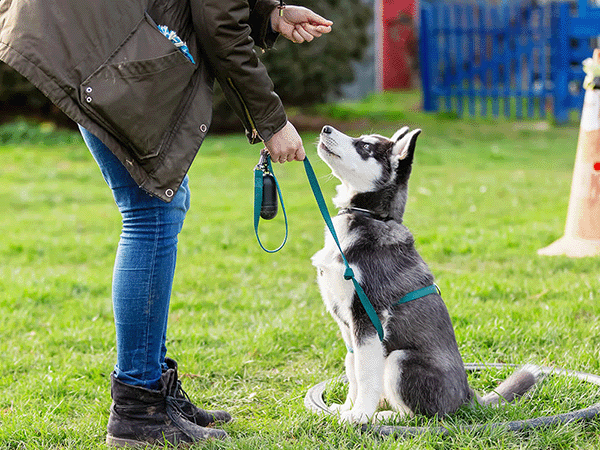
The Best Dog Trainers in the United States of 2026
This is a list of the top dog trainers in the United States, based on votes from the Sniffspot community and the general public.
The Best Dog Trainers in Seattle, WA of 2026
This is a list of the top dog trainers in Seattle, WA, based on votes from the Sniffspot community and the general public.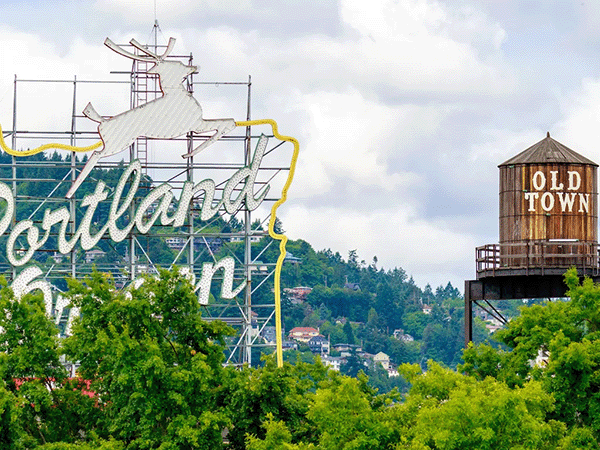
The Best Dog Trainers in Portland, OR of 2026
This is a list of the top dog trainers in Portland, OR, based on votes from the Sniffspot community and the general public.
The Best Dog Trainers in Los Angeles, CA of 2026
This is a list of the top dog trainers in Los Angeles, CA, based on votes from the Sniffspot community and the general public.
The Best Dog Trainers in New York, NY of 2026
This is a list of the top dog trainers in New York, NY, based on votes from the Sniffspot community and the general public.


City dog park guides
Best Dog Fields in the US: 25+ Wide-Open Spaces for Your Pup to Run Free
The best dog fields in the US offer something that traditional enclosed parks simply can't match: acres of open space where your pup can truly stretch their legs and run at full speed. From Colorado's 470-acre prairie meadows to Tennessee's...
Top 10 Indoor Dog Parks: A US Guide
Looking for a space to play with your dog no matter what the weather’s like outside? Look no further than our list of the best indoor dog parks in the United States! These climate-controlled spaces are growing in popularity as pet ownership...
Best Dog Parks in the US: Ultimate Guide to Public & Private Off-Leash Adventures
Is your pup giving you those pleading "let me run free" eyes? Whether you're a new dog parent or a seasoned pro looking for fresh adventures, finding the perfect off-leash paradise for your furry friend can feel ruff! From sun-soaked California...
Dog Parks Near Me: Las Vegas Edition
Looking for the perfect dog park near me in Las Vegas? You're in luck! This guide explores all the best options for your pup, from public dog parks to private dog parks near me on Sniffspot. We'll help you find the ideal spot for playtime,...Best Dog Parks in the US: Off-Leash Guide
Looking for the perfect dog park? Whether you need a wide-open public space or a private, fenced-in spot, this guide will help you find the best dog parks across the US. We'll cover top-rated public parks, the perks of private dog parks, and even...
Sniffspot: Portland's Best Private Dog Parks
Ready to discover Portland's best dog parks? Whether you're looking for a public park or the unique experience of a private Sniffspot, this guide has you covered. We'll help you find the perfect spot for your pup, with tips on what to bring, how...


Dog breeds
Best Dog Fields in the US: 25+ Wide-Open Spaces for Your Pup to Run Free
The best dog fields in the US offer something that traditional enclosed parks simply can't match: acres of open space where your pup can truly stretch their legs and run at full speed. From Colorado's 470-acre prairie meadows to Tennessee's...
German Shepherd Guide: Best Family Dog? Truth from 9K Owners
The German Shepherd Dog (GSDs) are known for their intelligence, loyalty, and striking appearance. They're also incredibly versatile, excelling as working dogs and devoted family companions. This guide covers everything you need to know about...
Labrador Retriever: Real Tips from Owners
Discover the Labrador Retriever, a breed celebrated for its playful nature, affectionate temperament, and trainability. Labradors are known for their friendly demeanor and adaptability, making them perfect family companions and versatile working...
Golden Retriever Advice: The Complete Owner's Guide
Golden Retrievers: they're gorgeous, playful, and incredibly popular. But before you welcome one into your home, you need the right golden retriever advice. This guide draws on the wisdom of nearly 10,000 Golden Retriever owners, offering...
Are American Staffordshire Terriers Good for First-Time Owners: Complete Guide
Think American Staffordshire Terriers are tough? Think again. While their muscular build might intimidate some, these dogs are known for their playful and loyal personalities. This guide draws on the experience of nearly 10,000 AmStaff owners to...
Australian Shepherd Facts: Breed Info & Care Guide
Discover the Australian Shepherd, an AKC breed celebrated for its trainable, playful, and affectionate nature. Despite its name, the Australian Shepherd is actually a native breed to the United States, originally developed to breed on farms and...


Top dog names in the US
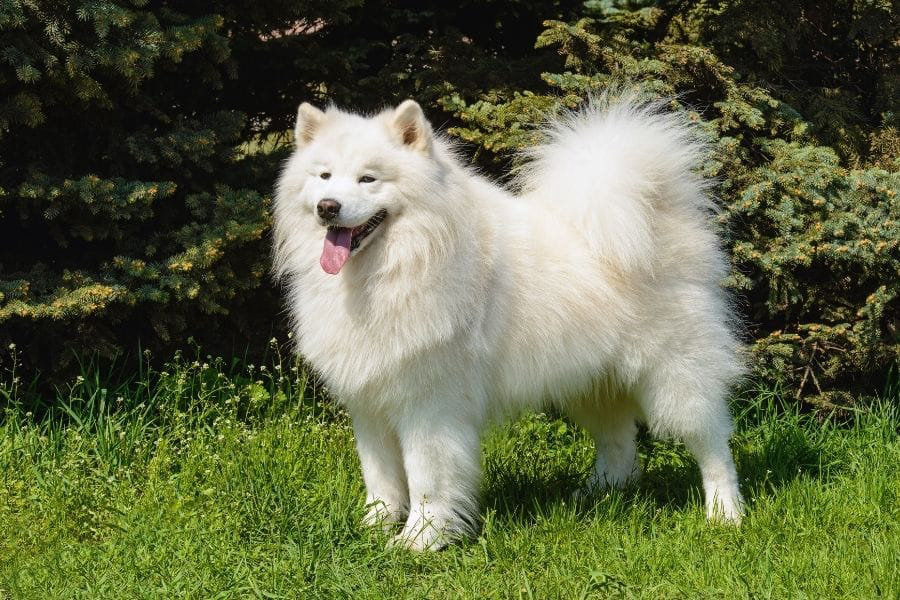
Top 1,000 Most Popular Dog Names
Looking for the perfect dog name for your new pup? We have created filterable lists of dog names from our database of hundreds of thousands of Sniffspot users. You can filter by gender, breed and state to find the most cute, unique and creative dog names.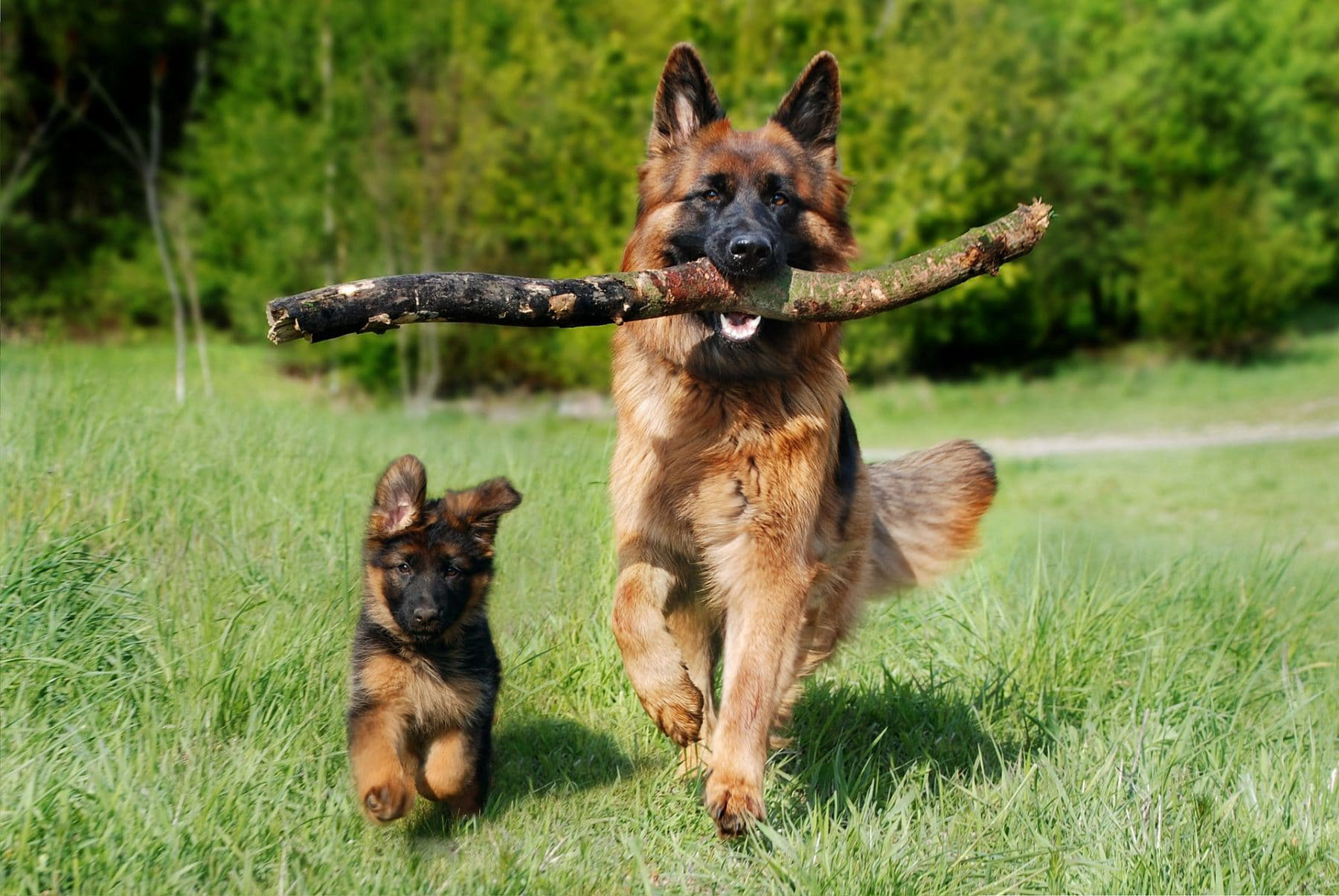
Most Popular Male Dog Names
Looking for the perfect dog name for your new male pup? We have created filterable lists of male dog names from our database of hundreds of thousands of Sniffspot users. You can filter by gender, breed and state to find the most cute, unique and creative male dog names.
Most Popular Female Dog Names
Looking for the perfect dog name for your new female pup? We have created filterable lists of female dog names from our database of hundreds of thousands of Sniffspot users. You can filter by gender, breed and state to find the most cute, unique and creative female dog names.
Most Popular Golden Retriever Names
Welcome to our comprehensive list of Golden Retriever dog names, curated from our vast database of Sniffspot users. Filter through hundreds of thousands of options by gender, breed, and state to discover the most adorable, original, and imaginative names for your beloved Golden Retriever.
Most Popular Labrador Retriever Names
Welcome to our Labrador Retriever dog names page! Here you can browse through filterable lists of names for your beloved furry friend, ranging from cute and classic to unique and creative options. Our database of hundreds of thousands of Sniffspot users ensures you'll find the perfect name for your Labrador Retriever, whether you're seeking a name for a male or female, based on breed or state.


Top dog rescues in the US

The Best Washington Dog Rescues & Shelters in 2026
This list showcases the top dog rescues & shelters in Washington. These remarkable organizations have been recognized for their unwavering dedication to the well-being of countless dogs.
The Best Oregon Dog Rescues & Shelters in 2026
This list showcases the top dog rescues & shelters in Oregon. These remarkable organizations have been recognized for their unwavering dedication to the well-being of countless dogs.
The Best California Dog Rescues & Shelters in 2026
This list showcases the top dog rescues & shelters in California. These remarkable organizations have been recognized for their unwavering dedication to the well-being of countless dogs.
The Best Florida Dog Rescues & Shelters in 2026
This list showcases the top dog rescues & shelters in Florida. These remarkable organizations have been recognized for their unwavering dedication to the well-being of countless dogs.
The Best New York Dog Rescues & Shelters in 2026
This list showcases the top dog rescues & shelters in New York. These remarkable organizations have been recognized for their unwavering dedication to the well-being of countless dogs.


